Other Photo Gallery Pages
|
Photo Page 1 Photo Page 2
Photo Page 3
Photo Page 2
Photo Page 3 |
|
Agate Photos
Mt. Antero Photos
Amazonite Photos
|
|
Tourmaline Photos
Ocean Jasper Photos
Rhodochrosite Photos |
Other Photo Gallery Pages
|
|
Photo Page 1
Photo Page 2
Photo Page 3 |
|
Agate Photos
Mt. Antero Photos
Amazonite Photos
|
|
Tourmaline Photos
Ocean Jasper Photos
Rhodochrosite Photos |
These pictures are for the viewing enjoyment of everyone and are presented as educational and informational. The specimens pictured are not for sale and are the property of myself, other collectors, or museums. Pictures of specimens other than what I own were for the most part taken at large gem and mineral shows.
| Double-click on the thumbnail pictures to see the full-sized photos. Use your browser's back button to return here. | |
|---|---|
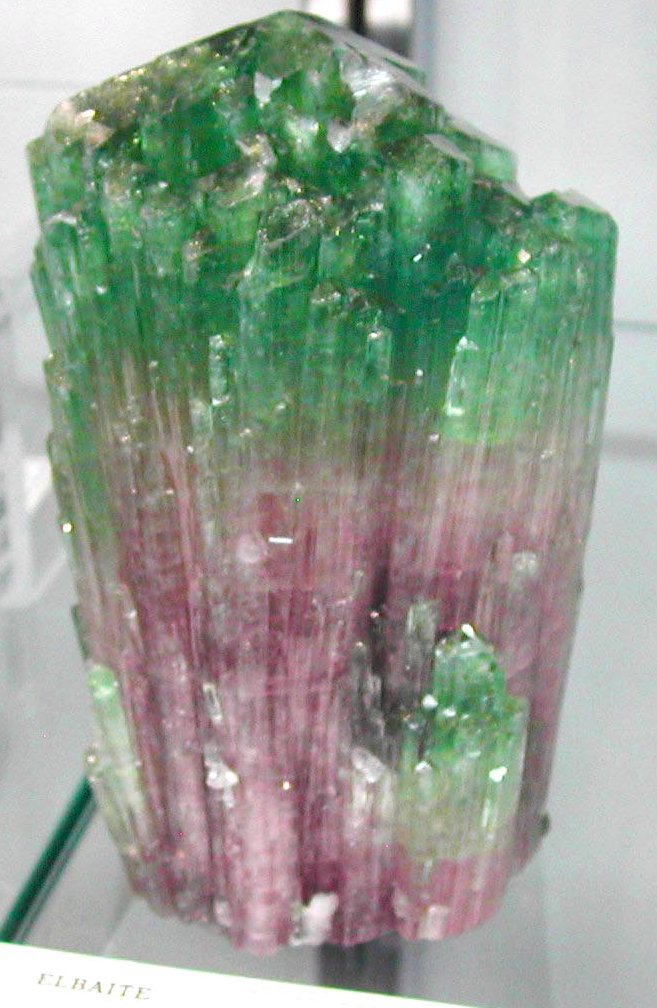 |
A fine modern bi-color pink-green tourmaline (elbaite) from one of the classic localities in Afghanistan. Afghanistan has produced a wealth of fine gem quality tourmalines and specimens since the 1970's, in spite of all the human conflict. |
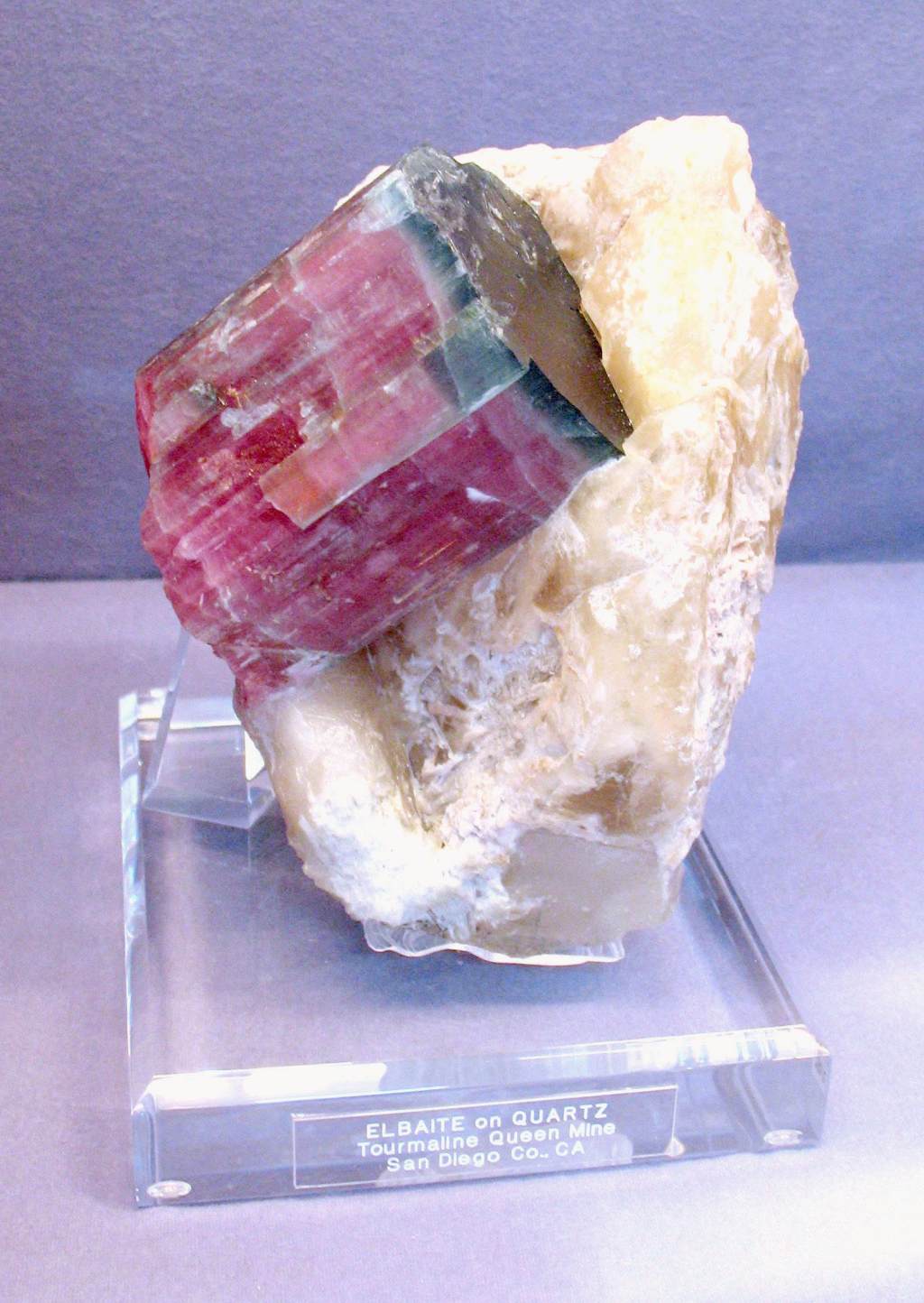 |
Famous "blue cap" rubellite tourmaline from the grand old Tourmaline Queen Mine, Pala, San Diego County, California. These came from one large pocket found around 1972. They are considered perhaps the finest tourmalines ever recovered from an American locale, and have long been dispersed to museums and private collections. This one is embedded on a quartz-feldspar matrix from the original pocket walls. |
 |
A super fine aquamarine specimen on smoky quartz and feldspar matrix, found by Steve Brancato in Dianne's Pocket, from his mining claim on Mt. Antero, Chaffee County, Colorado. |
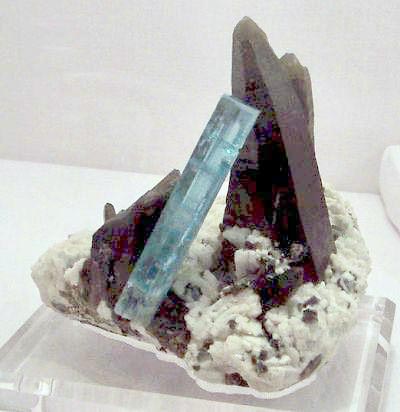 |
Another great aquamarine and smoky quartz matrix piece found at Dianne's Pocket on Mt. Antero by Steve Brancato. |
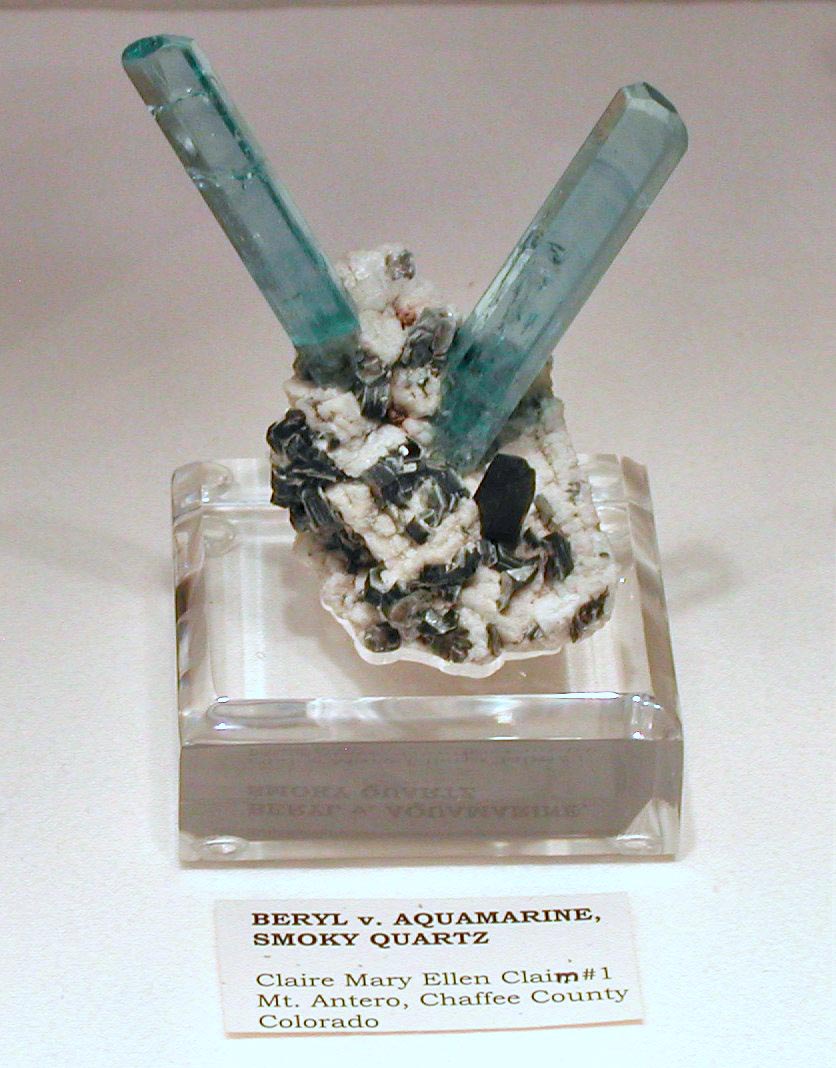 |
The famous "Rabbit Ears" specimen of superb aquamarine crystals perched on matrix with small smoky quartzes. From Dianne's Pocket, Mt. Antero, Colorado. Found by Steve Brancato. |
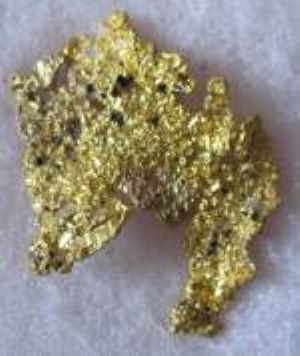 |
Nice crystallized gold specimen from the Bonanza District of the Camp Bird Mine, Ouray, Colorado. Specimen is approximately one inch across. This one kind of resembles a buffalo. From the Spomer collection. |
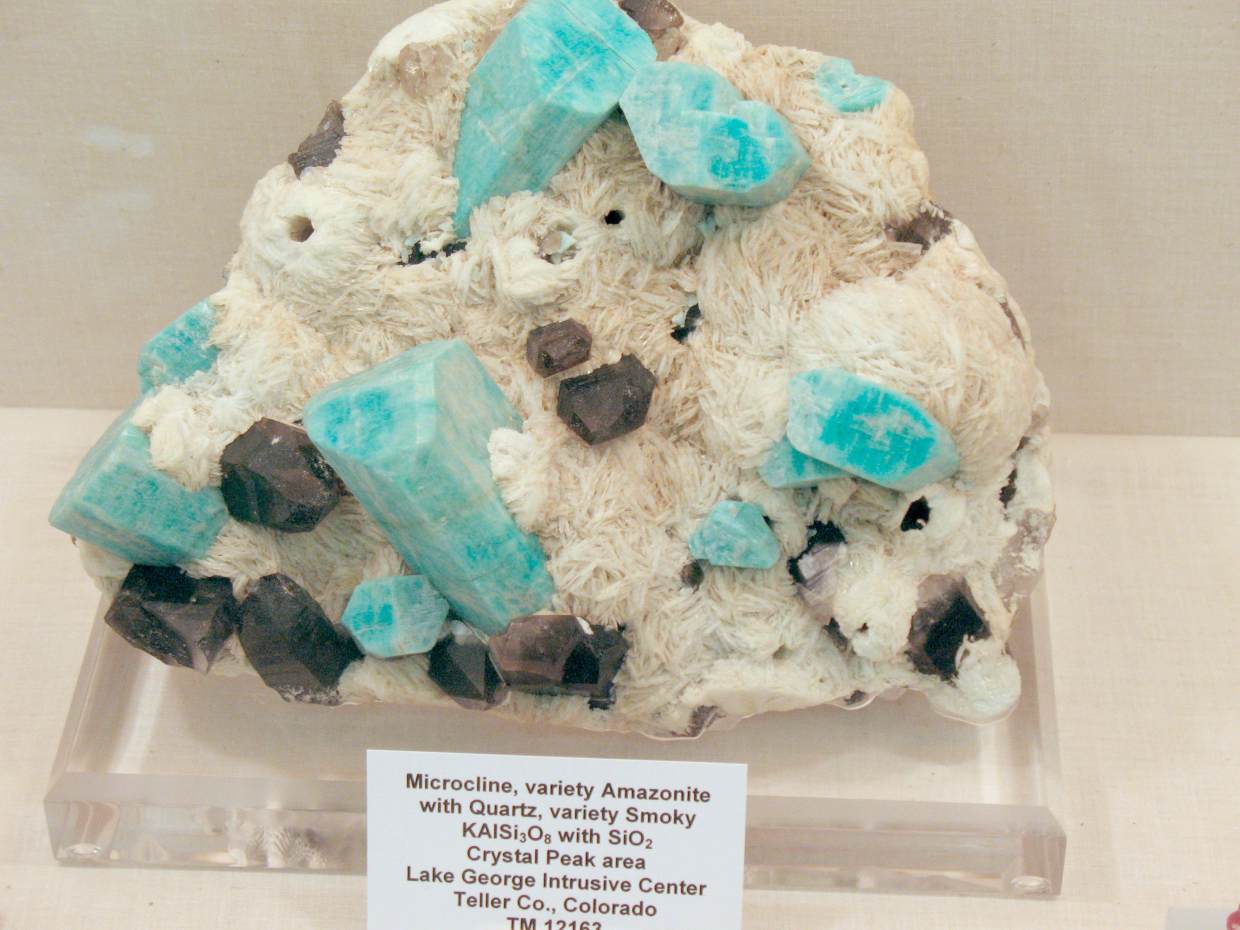 |
Great cluster of smoky quartz and amazonite from the Colorado School of Mines Mineral Museum collection. The crystals are perched on blades of snowy white cleavelandite (albite) feldspar. |
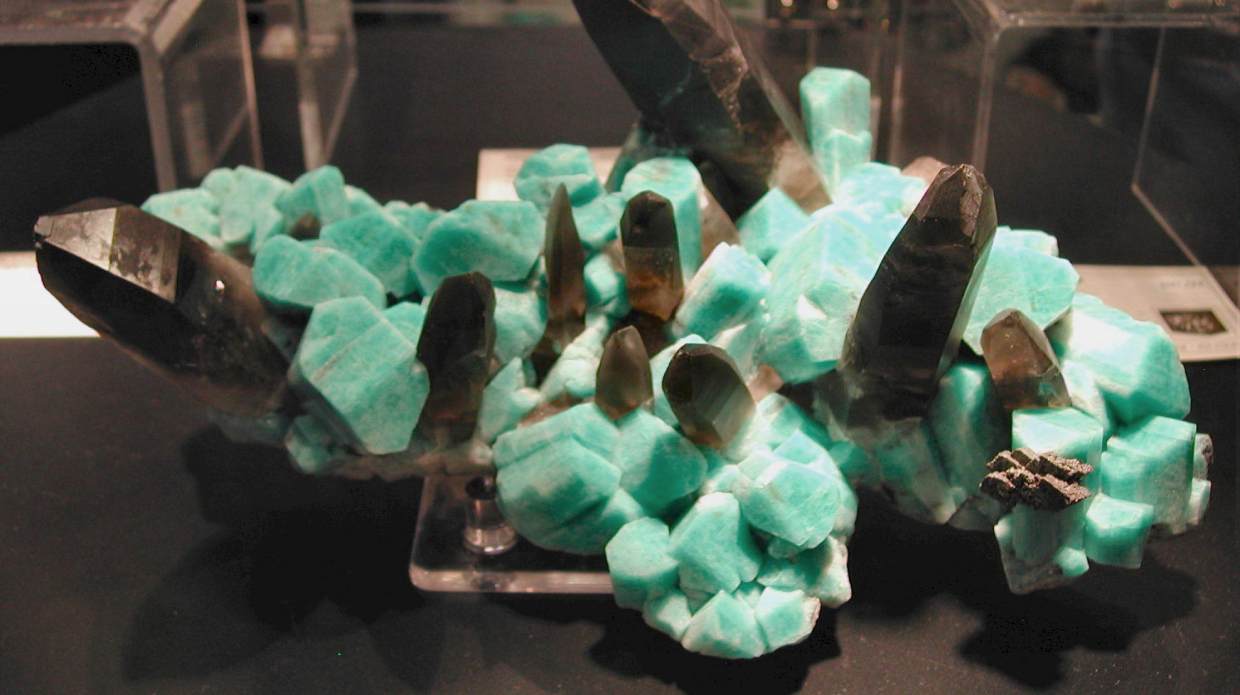 |
A super cluster of smoky quartz and amazonite from Bryan Lee's mines, and on display in Tucson at the big show. |
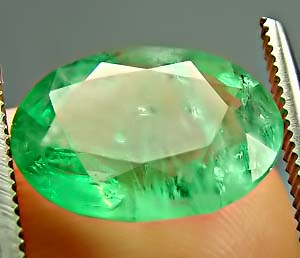 |
Faceted amazonite (green microcline) feldspar, Viet Nam. Extremely rare, there had been discussion among gem and mineral collectors for some time whether amazonite could actually occur gemmy enough to facet, until these were discovered around the late 1990's in a quarry with rubellite. I believe the largest of these was seldom over 3 carats, and none were free from internal inclusions or flaws. Note: I recently read that this is now considered by GIA to be green orthoclase, a rarity in it's own right, but not amazonite. It continues to be advertised as amazonite, however, by the Vietnamese sellers. |
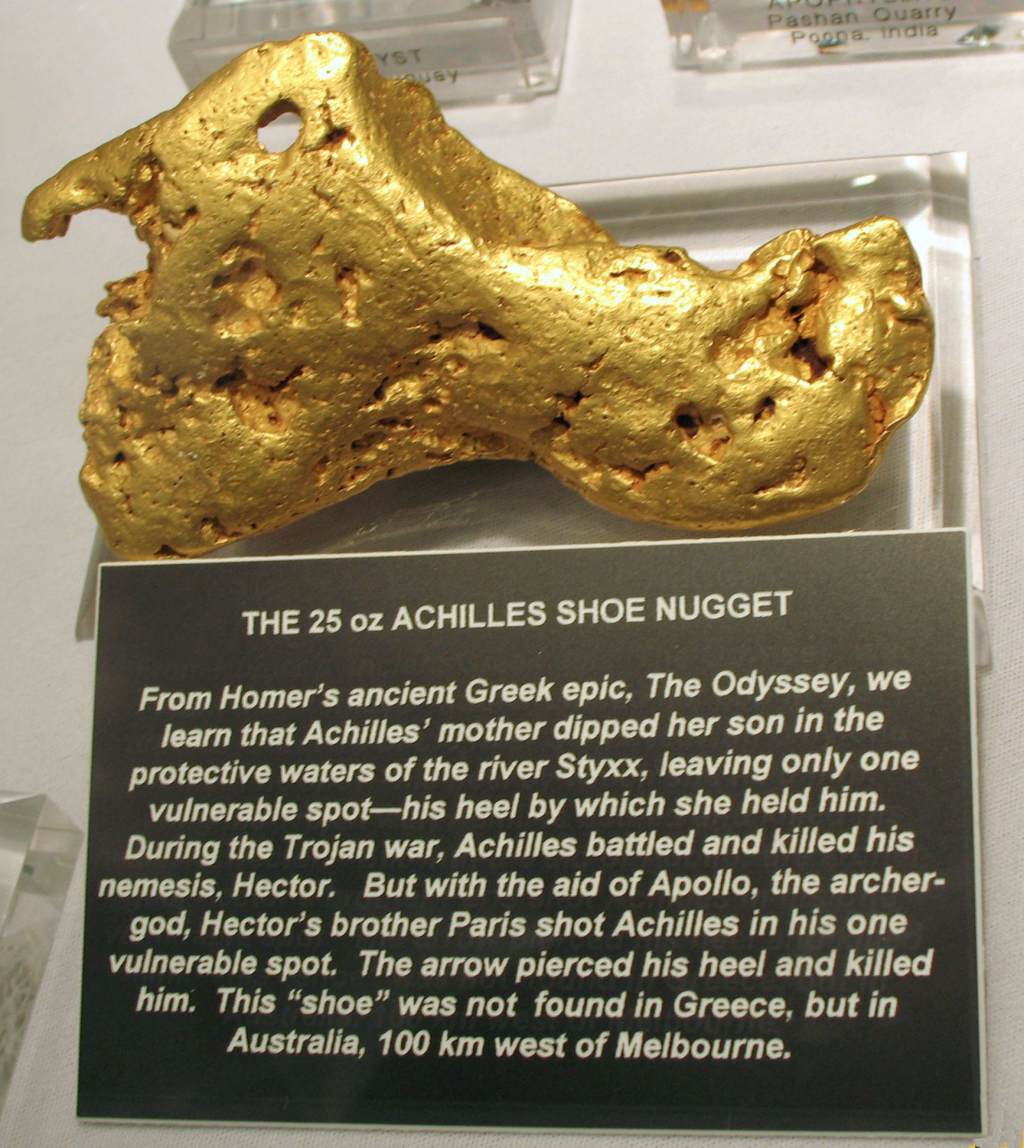 |
A large world-famous nugget, The Achilles Shoe, found west of Melbourne, Australia. |
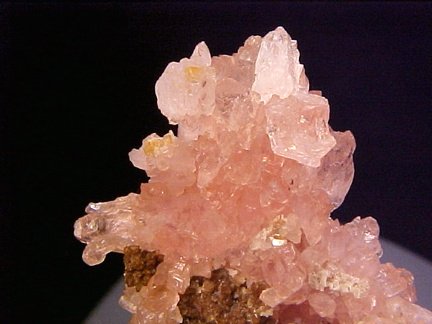 |
Rose Quartz crystals from the second mentioned site: Plumbago Mt., Newry, Maine. These were discovered in vugs in feldspar near the top of the mountain back in the late 1940's. The first site mentioned was apparently Mt. Mica, also in Maine. True rose quartz crystals are rare, usually small, and only found in a few localities in the world. The most prolific are those in Minas Gerais, Brazil. Those pegmatites supply about 95% of the world's market. Most decorative or lapidary grade rose quartz in the world is recovered as solid chunks with no crystal faces. There is some debate whether the color of these crystals is caused by the same agents as those of the solid pieces. |
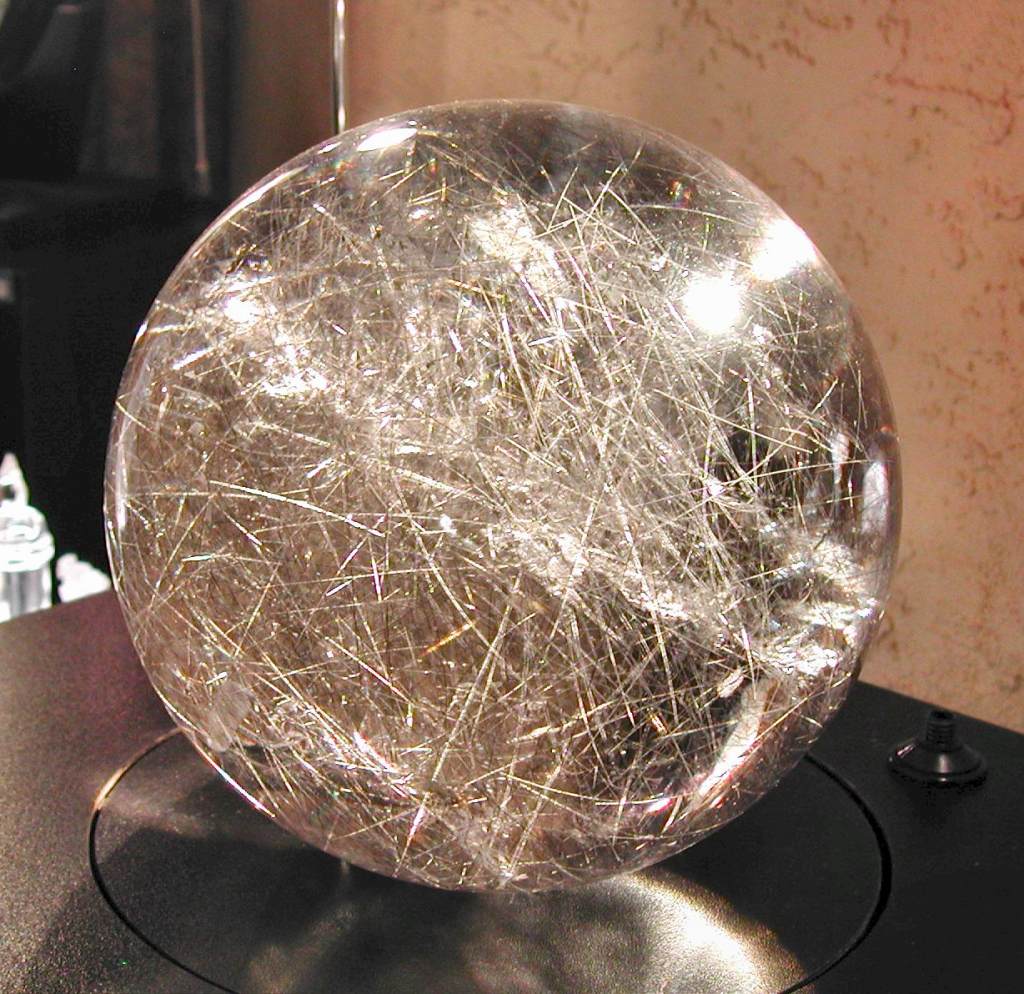 |
One of several incredible gem grade rutilated quartz spheres on display by a dealer at the Tucson show in 2006. These spheres were about 8-12" across, with no cracks or flaws. To make a sphere, you have to start with a piece of rough with the shortest dimension being the largest theoretical diameter of the sphere you want to make. In other words, there is a lot of waste you have to saw and grind off. These crystals must have been enormous! |
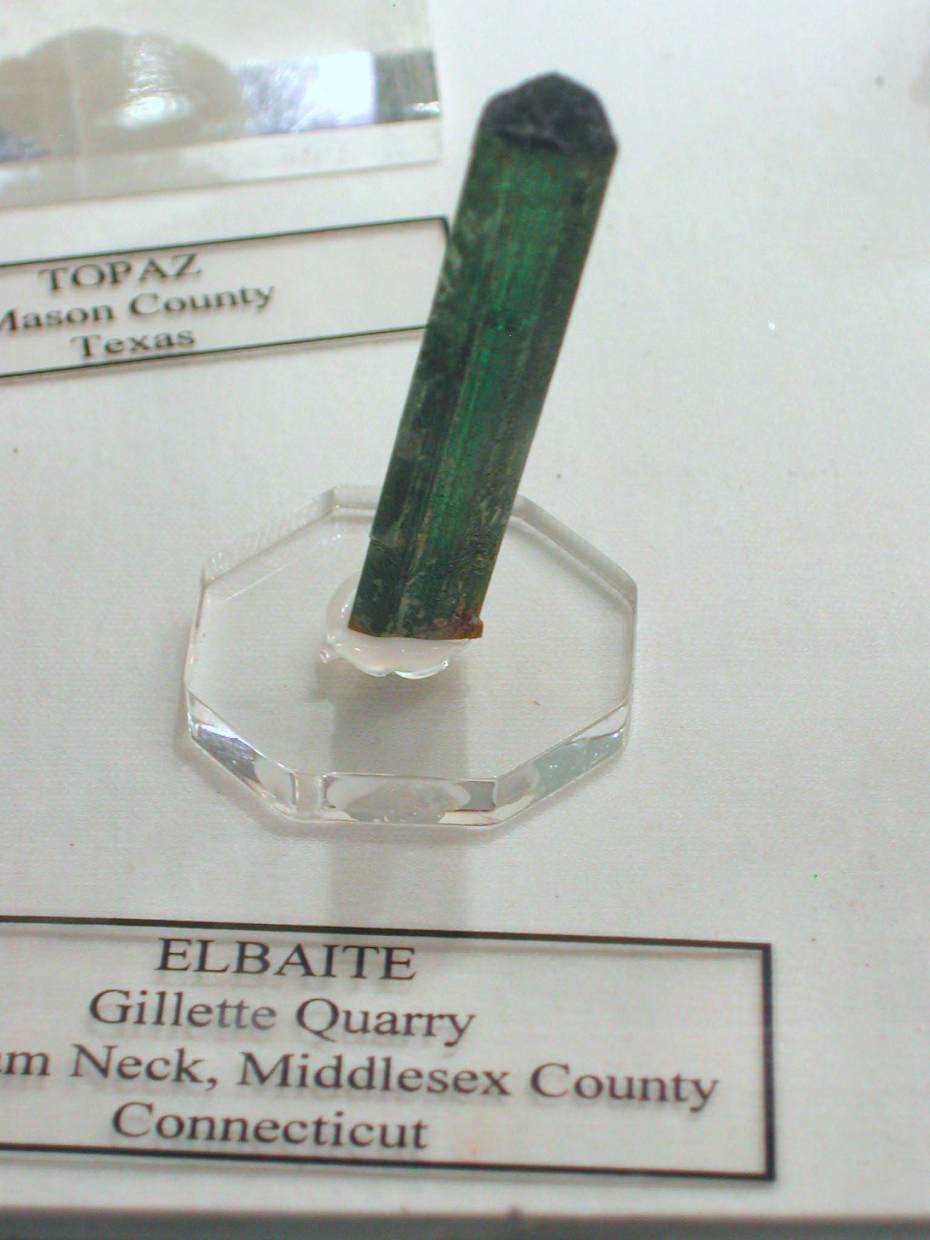 |
A gem quality tourmaline from the famous old Gillette Quarry at Haadam Neck, Connecticut. This crystal was about 3" long, as best I can recall. On display at one of the large gem shows. This locality produced many fine pieces years ago. But it was abandoned and sold to a developer who built houses on the property, thus making mining impossible in the foreseeable future. |
 |
One of the largest tourmalines to come from the Cryo-Genie Mine in southern California (San Diego County). The mine was owned and worked by Ken Gochenour (now deceased), and his brother Dana Gochenour, after they bought it from Bart Cannon. The recent mining history has been well documented in several mineral publications. The pink is a little different shade than material from most of the other mines in the area. Many of the small crystals found there are pastel in color. |
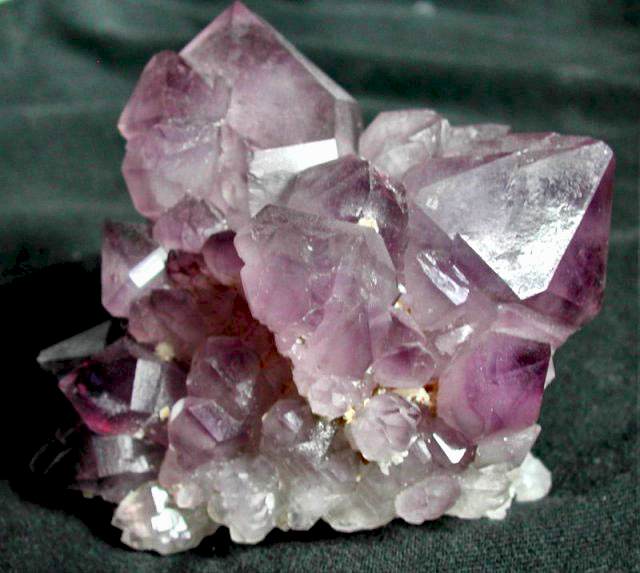 |
Fine cluster of amethyst from a classic location, the Reel Mine in Lincoln Co., North Carolina. Spomer collection. |
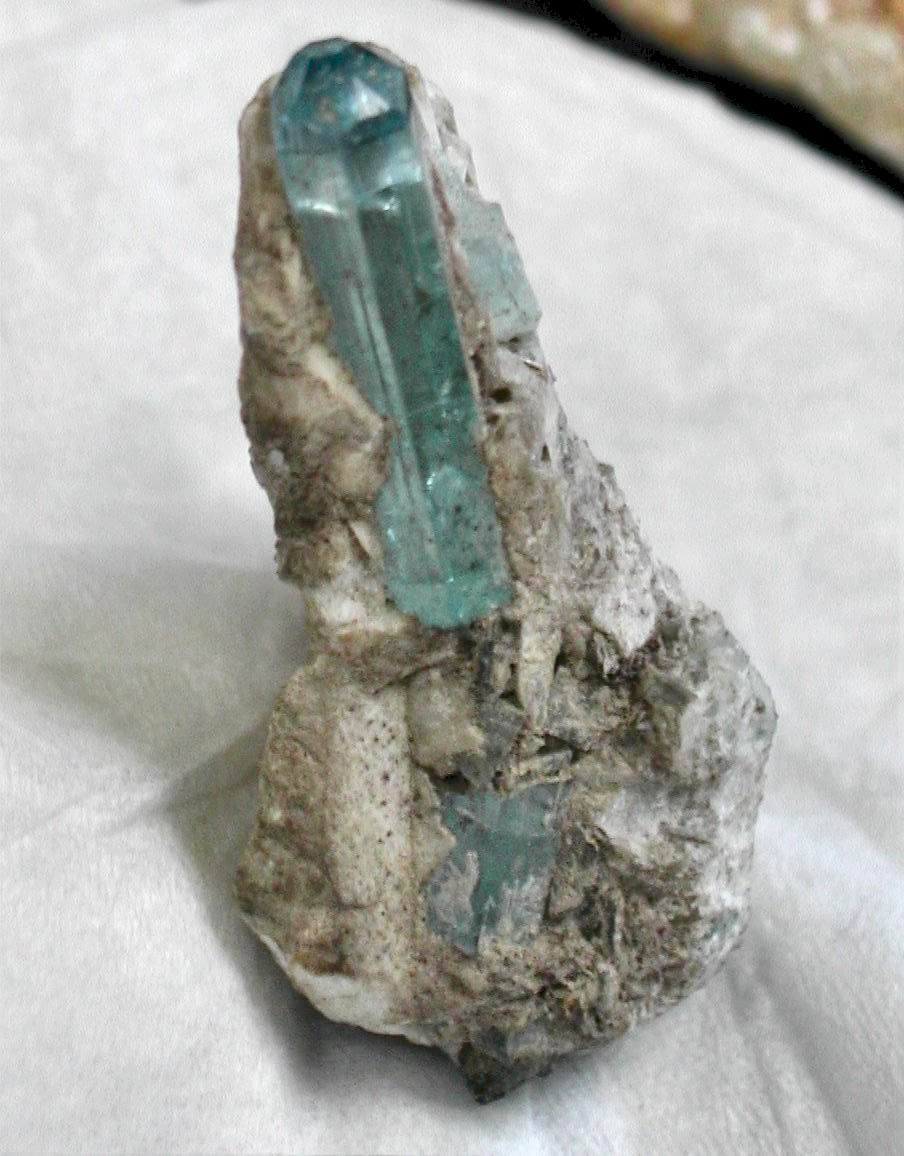 |
Fine specimen of gem aquamarine from Mt. Antero, Colorado collected by Steve Brancato. This one shows a pinacoid termination and is still in the matrix rock as discovered. It displays a distinct angular parting of two sections of the crystal from when it originally grew. |
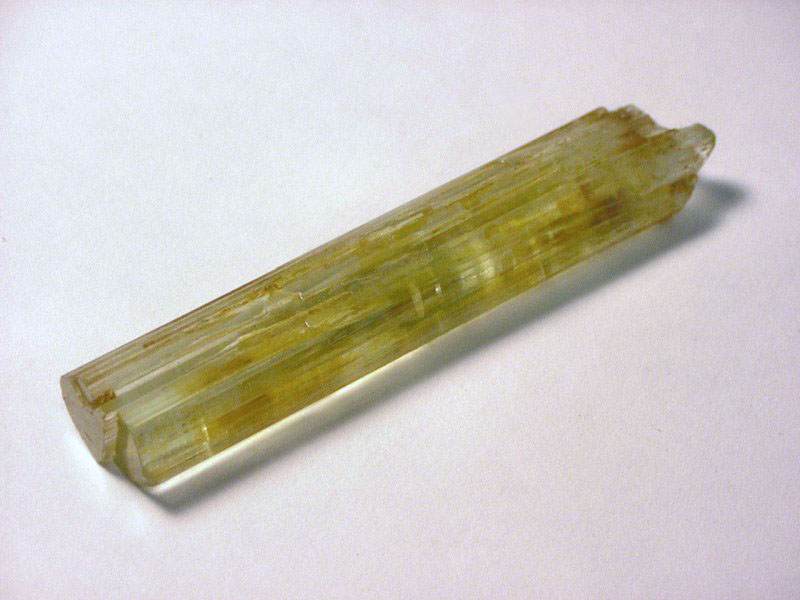 |
Superb gem quality doubly terminated heliodor (golden beryl) from an old classic location, the Slocum Quarry, Connecticut. This locality has not been mined since the early 1900's, as far as I am aware. Spomer collection. |
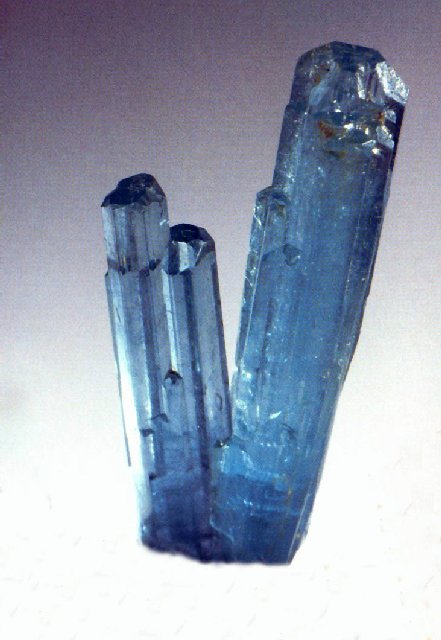 |
Probably my favorite aquamarine specimen of all time, this incredible gem piece is from Centerville, Boise County, Idaho, and is a stunning dark blue in color. The specimen is roughly 3-4" long and has been on display at several large gem and mineral shows across the country. Apparently it was found around 1981 by Geary Murdock (now deceased). Presently in the Spann Collection. |
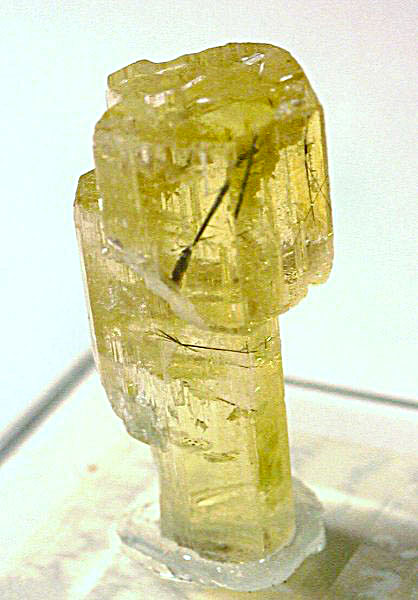 |
Interesting gem sceptered heliodor crystal from the Gelte Krustle Mine, Kalaikum, Tajikistan, which lies at an altitude of 14,000 ft. in the Pamir Mts. However, the mine can only be reached from the Afghan side. Note the dark needle crystal inclusions (presumably schorl tourmaline). Spomer collection. |
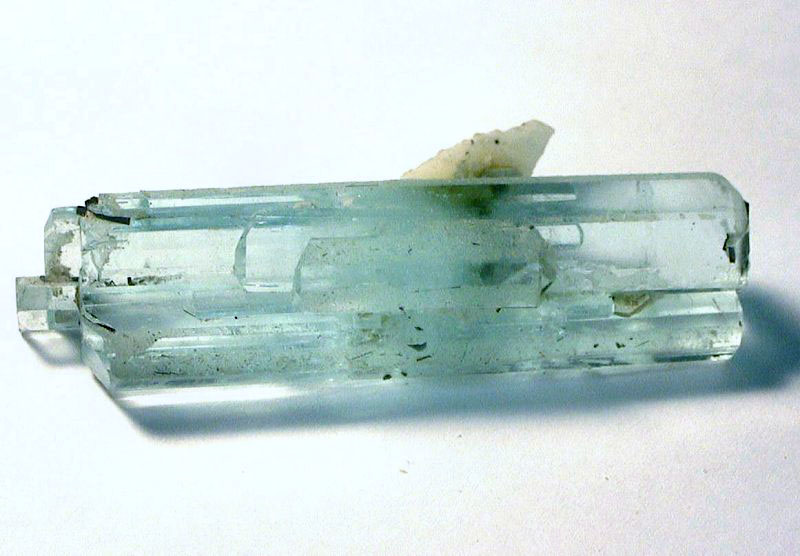 |
Fine, doubly terminated gem aquamarine displaying multiple parallel growths. There is some very minor schorl, mica, and feldspar attached. This crystal was collected in the 1990's from the rich pegmatite deposits in Pakistan. Spomer collection. |
 |
See more photos: Photo Album Page 2 Photo Album Page 3 |
Come back again as I plan to add more photos as time permits.
All photographs shown here are for your viewing enjoyment only. Copyrights are retained by original photographer or publisher. Please see our Copyright page for more information.
All photos, scans, gamma corrections, and color adjustments by Robert Spomer unless otherwise noted.